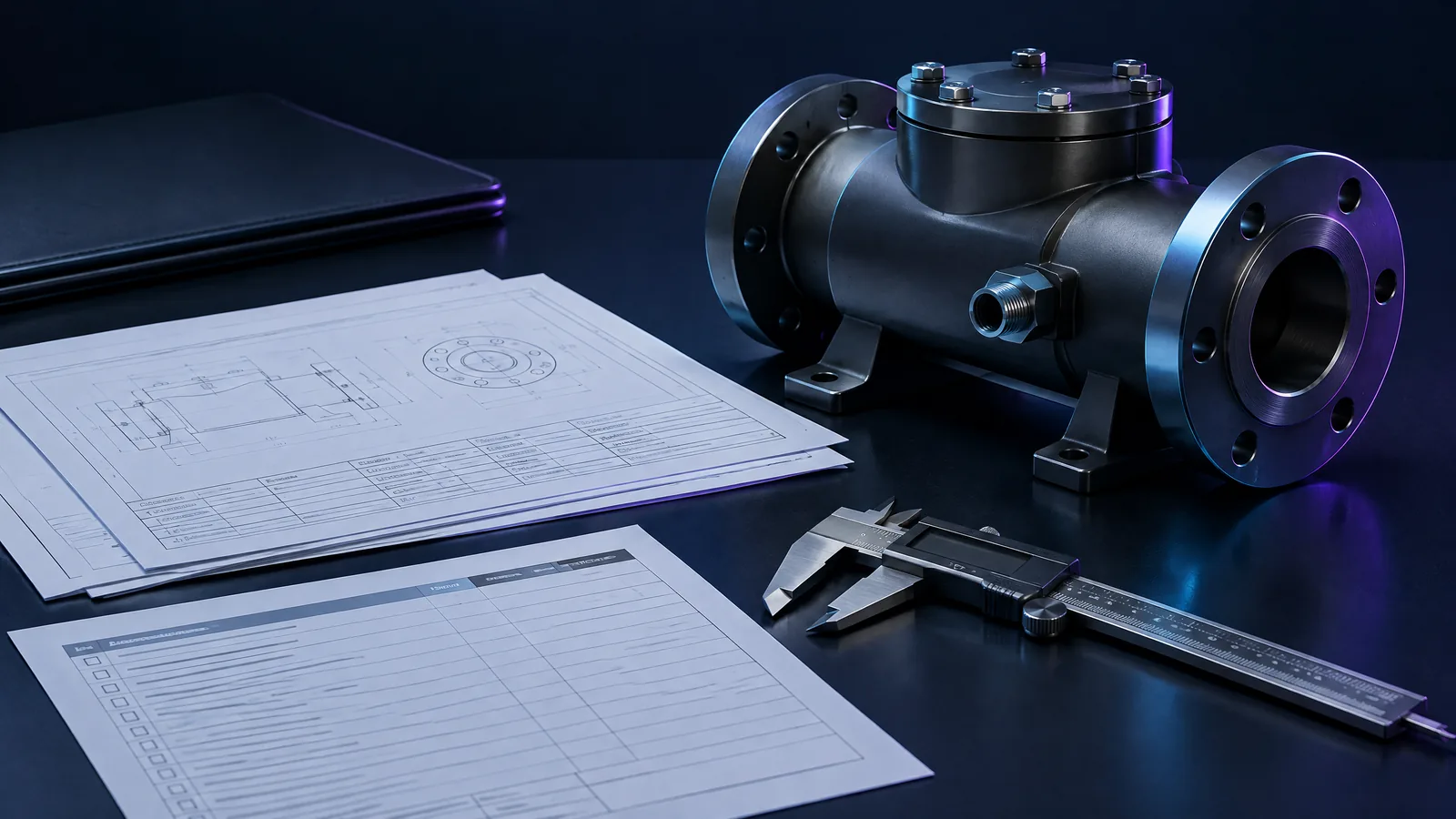
A strong vape hardware RFQ lets a prospective manufacturing or wholesale partner assess fit, scope a technical discussion, and surface documentation questions early. For U.S. licensed business buyers, it should define the configuration, quality expectations, commercial context, shipment needs, and regulatory-review approach.
>
Set the scope and commercial context
Identify the legal business name, buyer contact, business type, intended U.S. sales channel, and relevant jurisdictions. This is a B2B qualification step, not consumer purchasing information. State that the inquiry is for licensed business discussion, and provide credentials only through the verification process.
Explain the program’s purpose. Is the buyer evaluating an existing hardware platform for wholesale distribution, considering an OEM adaptation, or defining a private-label project? That context separates a request for a standard configuration from one needing engineering, packaging, or artwork review. Buyers considering a branded program can use Autosweave Labs’ OEM/ODM and private-label process to frame the discussion.
Provide an estimated order range and replenishment cadence if known, subject to mutual review. Ask the respondent to state its applicable commercial parameters rather than assuming a fixed minimum order quantity, production window, or product availability. Include the response date, approval stakeholders, and whether sample evaluation precedes a purchase discussion.
Use a concise checklist so the request is scannable:
- Buyer and program: verified business details, program type, intended channel, decision owners, and response date.
- Hardware configuration: category, reference model or drawing, dimensions, materials, interface requirements, and accessories.
- Brand and packaging: whether branding, labeling, artwork, serialization, or packaging review is in scope.
- Quality and documents: sample needs, inspection criteria, requested records, and change-notification expectations.
- Logistics: destination, Incoterms discussion point, shipping mode preferences, and battery questions where applicable.
Define product and configuration requirements
A usable RFQ turns product language into reviewable requirements. Identify the hardware category and the attributes that matter: overall form factor, dimensions and tolerances, material and finish, thread or connection standard, electrical characteristics, compatible components, color references, and required pack-out. Attach controlled drawings, photographs, CAD files, or a configuration matrix when they exist. If a requirement is open, label it as a decision item rather than asking a supplier to infer it.
For a 510-thread or cartridge-related program, specify interface assumptions, the components to be evaluated, and the proposed verification method. The 510-thread cartridge compatibility B2B checklist can turn a general compatibility request into testable questions. Do not represent a component as compatible with every device or formulation; assess it against the stated configuration and acceptance plan.
Separate “must have” requirements from preferences. That distinction lets a respondent flag an issue, an open technical question, or an alternate approach without obscuring the request. Include a version number and date on the RFQ and every attachment so comments remain tied to the correct revision.
Describe what a sample should demonstrate: its status, items to inspect, test environment, and acceptance criteria. A sample is an evaluation input, not a substitute for the final specification, continuing quality controls, or product-specific regulatory review.
Make quality, documentation, and change control auditable
A productive vape hardware RFQ asks for evidence in a structured way. Request the proposed specification sheet, bill-of-materials summary, drawings, inspection plan, and configuration-specific documents. Ask that each item show a model or part number, revision, issue date, and responsible source. These identifiers reduce the risk of comparing a current sample with an outdated document.
Define the receiving and pre-shipment review. State the critical-to-quality characteristics, cosmetic standard, functional checks, inspection approach, defect definitions, packaging verification, and format for an inspection record. This creates a shared review point before a buyer treats a result as acceptable. For a practical framework, connect the RFQ to the vapor-hardware quality inspection checklist.
Give change control its own clause. Require advance notice and buyer review for a proposed change to defined items such as materials, component sources, tooling, dimensions, firmware where relevant, artwork, pack-out, test method, manufacturing location, or document revision. Ask how the respondent records a change, provides comparison information, and identifies affected lots or shipments. The point is not to bar every change; it is to make changes visible, traceable, and evaluated before release.
Keep document requests specific. Ask what is currently provided, what is configuration-specific, who issued it, and which version applies. Avoid a generic request for a “certificate of compliance,” which can hide the product, model, revision, test scope, or date needed to assess relevance.
Include U.S. regulatory, import, and shipment context
Keep regulatory language exact. The FDA states that before a company introduces a new tobacco product to the U.S. market, it must submit a marketing application and receive authorization; its Market and Distribute a Tobacco Product page describes routes for new tobacco products. An RFQ is not an authorization request, and a supplier statement is not a determination of a product’s U.S. marketing status.
Product-specific U.S. regulatory status and documents should be requested by verified buyers. Ask for the exact model or configuration covered, document dates and revisions, issuer or source, and any stated limitations. Review the information with qualified regulatory and legal advisers as appropriate. This article is not legal advice.
If importation is in scope, identify the intended importer of record, destination, requested shipping terms, and any broker or trade-compliance review point. U.S. Customs and Border Protection explains that the trade community shares responsibility for compliance and that certain commodities can have partner-government-agency requirements in its Basic Importing and Exporting guidance. Request accurate product description, country-of-origin information, packing data, and documents needed for the buyer’s review—not a promise of admission or clearance.
If equipment includes lithium-ion cells or batteries, ask which battery configuration is proposed, whether a test summary is available, and what transport information applies to the shipment. 49 CFR § 173.185 addresses lithium-cell and battery transportation requirements, including test-summary availability for specified manufacturers and subsequent distributors. Identify the shipping mode and destination so the discussion can be specific. Autosweave Labs’ shipping and logistics information is a starting point for aligning commercial and handling questions.
FAQs
What is the difference between an RFQ and a product specification?
An RFQ asks a supplier to respond to a defined business and technical request. The specification is the controlled description of what will be evaluated or supplied. Attach the best available specification, then resolve open items through documented revisions before relying on it for acceptance.
Should a buyer ask for regulatory documents in the first RFQ?
Yes. State that product-specific U.S. regulatory status and documents should be requested by verified buyers, and identify the model or configuration in question. Keep the request factual and document-focused. The buyer should determine with qualified counsel or advisers what is relevant to its transaction and market activity.
How detailed should an OEM or private-label RFQ be?
It should distinguish the configuration, brand and packaging scope, quality criteria, document needs, and review process. Early-stage concepts can use a requirements matrix with open decisions. The supplier response should identify assumptions and information needed to proceed.
What should trigger a revised vape hardware RFQ?
Revise it when a material requirement, component interface, battery configuration, artwork, pack-out, inspection criterion, destination, or target configuration changes. Reissue the RFQ and attachments with a new revision identifier so comments and documents remain traceable.
Sources and further reading
- FDA — Market and Distribute a Tobacco Product - U.S. Customs and Border Protection — Basic Importing and Exporting - Electronic Code of Federal Regulations — 49 CFR § 173.185, Lithium cells and batteries
Ready to structure a verified B2B inquiry? Request a quote with your configuration, document, quality, and logistics requirements so the discussion can begin on a clear, controlled basis.